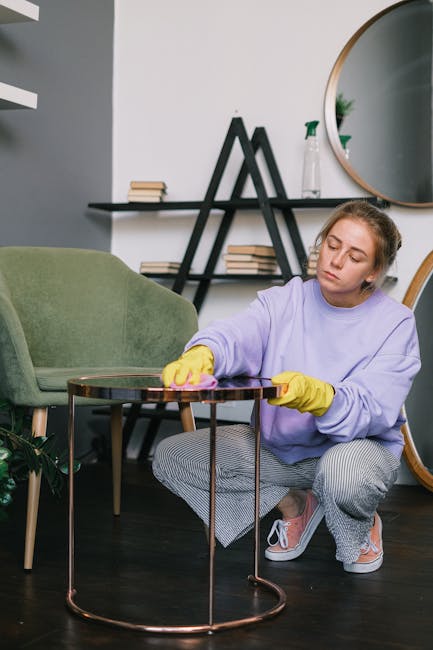
Catford upholstery cleaning for Mountsfield Park homes: a practical guide for fresher furniture
If your sofa is looking a bit tired, your dining chairs have picked up everyday marks, or that armchair by the window has absorbed one too many years of tea, Catford upholstery cleaning for Mountsfield Park homes can make a real difference. In a busy family home, furniture takes a beating. Crumbs, pet hair, pollen, damp shoes, the odd splash, and general London living all add up. The result is usually not dramatic at first, just a slow dulling of fabric, colour, and comfort.
This guide explains what upholstery cleaning involves, how it works, when it makes sense, and what to look for if you want good results without unnecessary fuss. I'll also cover common mistakes, best-practice expectations, and a few sensible ways to keep your furniture cleaner for longer. To be fair, most people leave it too long. Then they wonder why the fabric feels a bit grimy. Happens all the time.
For readers comparing home-cleaning options, it can help to understand where upholstery care fits within broader domestic maintenance. You may also find related services like sofa cleaning, rug cleaning, and deep cleaning useful if the rest of the home needs attention too.
Table of Contents
- Why Catford upholstery cleaning for Mountsfield Park homes matters
- How Catford upholstery cleaning for Mountsfield Park homes works
- Key benefits and practical advantages
- Who this is for and when it makes sense
- Step-by-step guidance
- Expert tips for better results
- Common mistakes to avoid
- Tools, resources and recommendations
- Law, compliance, standards, or best practice
- Options, methods, or comparison table
- Case study or real-world example
- Practical checklist
- Conclusion
- Frequently Asked Questions
Why Catford upholstery cleaning for Mountsfield Park homes matters
Mountsfield Park homes tend to sit in a very normal, very real kind of domestic rhythm: coming and going, muddy trainers near the door, weekend visitors, kids collapsing on the sofa, pets napping in the warmest spot they can find. Upholstery quietly collects all of that. Unlike hard flooring, fabric doesn't show every issue straight away, which is exactly why it can drift from "fine" to "why does this feel sticky?" without much warning.
Regular upholstery cleaning matters for a few straightforward reasons. First, it helps preserve the look of furniture. A light-coloured sofa can lose its fresh finish quite quickly if dust and body oils build up. Second, it supports hygiene. Fabrics trap fine dust, skin flakes, and allergens far more readily than many people realise. Third, it protects the furniture itself. Dirt can act a bit like sandpaper over time, wearing down fibres and making fabric age faster.
There is also the comfort factor. A freshly cleaned sofa just feels different. It sits better. It smells cleaner. The room lifts. You notice it especially in the evening, when the lights are low and the living room finally calms down after a long day. Small thing, maybe. But not really small if you live there.
For homes that are already budgeting for household care, upholstery cleaning often sits alongside domestic cleaning or house cleaning because it supports the same goal: keeping the whole home easier to live in, not just visually tidy.
How Catford upholstery cleaning for Mountsfield Park homes works
Professional upholstery cleaning is usually a careful process rather than a quick blast of water and hope. The right method depends on the fabric type, the age of the furniture, and the kind of soiling involved. A trained cleaner will usually begin with an inspection. They look at labels, seam condition, colour stability, stain type, and any obvious wear. This first step matters more than people think, because different fabrics react very differently to moisture and heat.
From there, the cleaner will normally remove loose dirt with vacuuming and detailing tools. After that, the fabric may be pre-treated with a suitable solution to loosen grime. Then comes the main cleaning method, which could be hot water extraction, low-moisture cleaning, or another fabric-safe approach. The point is not simply to wet the upholstery. The point is to lift embedded dirt without damaging the fibres or leaving behind heavy residues.
Drying is the other half of the job. Good cleaning is not finished when the surface looks brighter. The fibres need sensible drying time so the fabric doesn't stay damp for too long. In a London home, especially one with less airflow or a shaded room, that can be the part that takes a bit of patience. Open a window if weather allows, keep heating moderate, and resist the urge to sit on it immediately. Yes, I know. Everyone wants to test it right away.
If a property has also had renovations, you may want to combine upholstery care with after builders cleaning. Dust from building work gets everywhere. Upholstery is one of the first places it settles, even when the room looks "mostly done".
Key benefits and practical advantages
The most obvious benefit is visual. Clean upholstery brightens a room in a way that sweeping the floor simply cannot. But the deeper benefits are often the ones homeowners appreciate most after the job is done.
- Better appearance: Colours look richer, patterns look clearer, and the furniture stops looking flat or greyed out.
- Improved freshness: Odours from pets, cooking, spills, and everyday use are reduced rather than masked.
- Longer furniture life: Removing grit and residue helps reduce fibre wear.
- More comfortable living spaces: Sofas and chairs feel cleaner to use, especially in family rooms.
- Better support for allergy management: While not a cure-all, regular cleaning can help reduce dust load on fabrics.
There is a practical money angle too. Replacing a decent sofa or a set of upholstered dining chairs is costly. In many homes, proper cleaning extends useful life enough to make replacement less urgent. That's not magic. Just maintenance working as it should.
For some households, upholstery cleaning also fits into a broader tidy-up routine. If the rest of the home needs a reset after a hectic month, pairing it with one-off cleaning can make the entire property feel properly looked after instead of just patched up.
Who this is for and when it makes sense
This service makes sense for quite a wide range of Mountsfield Park homes. You don't need to wait until furniture looks obviously dirty. In fact, waiting too long is usually the mistake. The best time is often before stains become stubborn or the fabric starts to lose its bounce.
It is especially useful if you:
- have children or pets;
- host friends or family regularly;
- notice lingering smells in the living room;
- have bought second-hand upholstery and want a proper refresh;
- are preparing a home for sale, rent, or guests;
- have light-coloured or high-use furniture;
- see dark patches on armrests, seat fronts, or headrest areas.
It is also a sensible choice after illnesses, heavy seasonal use, or a long winter when the home has stayed closed up for weeks at a time. You can smell when upholstery needs attention sometimes; it's a dry, slightly stale note that sits in the room without shouting about it. Not pleasant, but fixable.
For landlords, hosts, and tenants, upholstery cleaning can support the standard expected in move-related cleaning. If you are getting a property ready for handover or reoccupation, see also end of tenancy cleaning, move in cleaning, and move out cleaning.
Step-by-step guidance
If you are arranging upholstery cleaning for the first time, the process is less mysterious than it sounds. Here's the typical flow in plain English.
- Identify the fabric. Check care labels if you can. If not, make a note of the material, age, and any previous treatments.
- Inspect problem areas. Stains, pet zones, armrests, seat cushions, and headrests usually need the most attention.
- Vacuum thoroughly. Loose dust and grit need to be removed before any moisture is applied.
- Test a hidden spot. This helps check colourfastness and fabric reaction.
- Pre-treat stains and traffic marks. Not all marks respond the same way, so targeted treatment is important.
- Clean using the safest method for the fabric. That may be extraction, low-moisture cleaning, or another suitable technique.
- Check for residue and missed marks. Good cleaning is even, not patchy.
- Allow proper drying time. Airflow and patience matter here.
A useful rule: if a cleaner cannot explain why they chose a certain method for your fabric, that is worth questioning. Different textiles need different handling. There is no one-size-fits-all answer, and the honest professionals usually say so.
If a sofa or chair is paired with other fabric items in the room, you may want to coordinate with mattress cleaning or rug cleaning so the overall result feels consistent, not half-done.
Expert tips for better results
Here's where a bit of practical experience really helps. These small choices can make a noticeable difference.
- Deal with fresh spills quickly. Blot, don't rub. Rubbing just pushes liquid deeper and can roughen fibres.
- Rotate cushions where possible. It spreads wear and helps upholstery age more evenly.
- Keep the room ventilated. Even a little airflow during drying can help.
- Vacuum weekly if the furniture gets heavy use. That simple habit stops dirt embedding itself.
- Use fabric protection carefully. Only after the upholstery is properly cleaned and only if suitable for the material.
- Be realistic about old stains. Some marks fade dramatically; others lighten but do not disappear fully. Better to know that upfront.
One thing people often forget: sunlight can fade upholstery as much as dirt can dull it. If a sofa sits by a bright window, it may look uneven even after cleaning. That is not a cleaning failure. It is just furniture having a life in the room, which is normal enough.
If your home also needs cleaner glass, brighter rooms, or more light, combining upholstery care with window cleaning can make the whole place feel fresher in one go.
Common mistakes to avoid
There are a few repeat offenders here. The good news is they are easy to avoid once you know what to watch for.
- Using too much water: Over-wetting can leave rings, slow drying, and even create odour issues.
- Scrubbing stains aggressively: That often spreads the mark or damages the pile.
- Ignoring fabric labels: Some materials are more delicate than they look.
- Cleaning only the visible spot: Spot-only treatment can leave patchy colour changes and tide marks.
- Putting cushions back too soon: Trapped dampness is never a good idea.
- Choosing a method without checking compatibility: What works on one sofa can be risky on another.
There's also the classic "I'll just sort it with an all-purpose spray" move. Sometimes it helps. Sometimes it makes a tiny mess into a bigger, sticky one. Not ideal. Honestly, upholstery is one of those things where careful beats clever.
Tools, resources and recommendations
For homeowners who like to stay on top of maintenance between professional visits, a few simple tools are enough. You do not need a cupboard full of gadgets.
- Upholstery attachment vacuum: Useful for routine dust removal and crumb control.
- Microfibre cloths: Handy for gentle blotting of fresh spills.
- Soft brush: Good for lifting surface dust from textured fabric, used lightly.
- White absorbent towels: Better than coloured cloths when blotting damp marks.
- Fan or open-window airflow: Very useful after cleaning, especially in cooler rooms.
For a broader home-care plan, some homeowners like to connect upholstery cleaning with other domestic services that reduce weekly stress. If that sounds familiar, regular cleaning can help maintain surfaces after the furniture has been refreshed, and communal area cleaning may be useful in shared properties where sofas and chairs get heavier use.
When comparing providers, ask practical questions rather than fluffy ones. What fabric methods do they use? How do they handle delicate materials? Do they allow for stain testing? How long should drying take? Those answers tell you far more than a polished sales pitch.
Law, compliance, standards, or best practice
Upholstery cleaning is not a heavily regulated service in the same way some specialist trades are, but responsible providers still follow important standards of care. In the UK, that usually means working safely, respecting textile instructions, and using products in a way that does not create avoidable risk for the household or cleaner.
Best practice normally includes checking for fabric compatibility, avoiding unnecessary moisture, handling chemicals sensibly, and being transparent about limitations. If a stain is permanent, or if a fabric is too fragile for wet cleaning, a trustworthy cleaner should say so plainly rather than promise miracles. That honesty matters.
It is also sensible for any provider entering a home to have clear safety processes, clear payment practices, and appropriate insurance arrangements. For peace of mind, homeowners can review service information such as insurance and safety, health and safety policy, payment and security, and terms and conditions. Those pages help set expectations before anyone arrives with equipment and cleaning solutions.
On the environmental side, some homeowners prefer low-waste or more sustainable cleaning choices where possible. If that matters to you, take a look at recycling and sustainability. It's a practical way to see how a company thinks about materials and waste, not just the shiny finish at the end.
Options, methods, or comparison table
Different upholstery cleaning approaches suit different jobs. Here's a simple comparison to help you understand the trade-offs.
| Method | Best for | Advantages | Watch-outs |
|---|---|---|---|
| Hot water extraction | Durable fabric sofas and chairs with general soil build-up | Deep soil removal, good for heavily used furniture | Needs proper drying; not ideal for all delicate fabrics |
| Low-moisture cleaning | Sensitive fabrics or situations where quicker drying is important | Less water, often faster turnaround | May be less powerful on deep, old grime |
| Foam or encapsulation-style treatment | Light refresh jobs and maintenance cleaning | Can be gentle and efficient | Not always enough for heavy staining |
| Spot treatment only | Very small isolated marks | Quick for a specific issue | Can leave patchiness if used as the only method |
If you are unsure which approach fits your furniture, ask the cleaner to explain their choice in plain language. You should be able to hear the reasoning, not just the brand name of the machine. That's the real test.
For homes with multiple fabric items, it can make sense to bundle related work such as cleaning?"
Case study or real-world example
Here is a simple real-world scenario. A family in a Mountsfield Park home had a three-seater sofa in the living room, two upholstered dining chairs, and a small footstool that had all picked up a mix of daily wear. The sofa looked fine from across the room, but up close the armrests were darkened, the seat cushions had that slightly flattened look, and there was a faint smell of pets and old fabric after the heating had been on all week.
The first step was inspection and a test patch. The cleaning approach was chosen to suit the fabric rather than force one method across everything. The high-use areas were pre-treated carefully, then cleaned in sections so moisture never sat too long in one place. The room was left ventilated, and the cushions were allowed to dry fully before being put back into regular use.
The result was not "brand new", because that is rarely honest. But it was noticeably brighter, cleaner, and more comfortable. The armrests no longer looked greasy, the dining chairs matched the rest of the room again, and the family could tell the space felt fresher when they walked in after work. That's the kind of win people actually want.
And yes, the dog still found the same sofa spot. Some habits are untouchable.
Practical checklist
Use this quick checklist before booking or carrying out upholstery cleaning.
- Check the fabric type if possible.
- Note any stains, smells, or worn areas.
- Move small objects, throws, and cushions out of the way.
- Vacuum the furniture before the clean if you are doing part of the prep yourself.
- Ask how the cleaner will handle delicate or mixed-fabric pieces.
- Confirm expected drying time.
- Make sure there is enough airflow in the room.
- Avoid using the furniture until it is properly dry.
- Keep children and pets away while the fabric is drying.
- Plan follow-up maintenance so the clean lasts longer.
If you are also refreshing other parts of the home, it can be sensible to pair upholstery care with move in cleaning, move out cleaning, or airbnb cleaning depending on how the property is used. One tidy decision often makes the next one easier.
Conclusion
Catford upholstery cleaning for Mountsfield Park homes is really about more than cosmetic freshness. It protects furniture, improves comfort, supports a cleaner-feeling home, and helps you get more life out of pieces you already own. The key is choosing the right method for the fabric, avoiding heavy-handed mistakes, and giving the furniture enough time to dry properly.
If you remember only one thing, make it this: good upholstery cleaning should respect the material, not fight it. That simple principle saves a lot of trouble. And if your home has a few other things on the list, it can be worth tackling them in a sensible sequence rather than all at once and burning out halfway through. We've all been there.
Get a free quote today and see how much you can save.
Fresh upholstery changes the feel of a room in a quiet, satisfying way. Not flashy. Just better. And sometimes that's exactly what a home needs.
Frequently Asked Questions
How often should upholstery be professionally cleaned?
For most homes, every 6 to 12 months is a sensible range, but high-use sofas, pet homes, and light-coloured fabrics may benefit from more frequent cleaning. The right timing depends on how the furniture is used, not just the calendar.
Can upholstery cleaning remove old stains?
Sometimes, yes, but not always completely. Old stains can have set into the fibres or changed the fabric colour. A good cleaner can often reduce them significantly, but it is better to expect improvement rather than promise of perfection.
Is upholstery cleaning safe for delicate fabrics?
It can be, provided the method matches the fabric. Delicate textiles need careful inspection, testing, and often a lower-moisture approach. This is why fabric knowledge matters so much.
How long does upholstery take to dry?
Drying time varies with fabric type, cleaning method, room temperature, and airflow. Some pieces dry in a few hours; others take longer. Good ventilation helps a lot, especially in cooler or shaded rooms.
Will upholstery cleaning remove pet smells?
It often reduces them noticeably, especially when odours are trapped in general soil or light surface contamination. Strong or long-standing odours can be more complicated and may need targeted treatment.
Can I clean upholstery myself?
Yes, for light maintenance and small spills, but you need to be careful. Home methods are useful for blotting and routine vacuuming, yet they are not always enough for deep dirt or awkward stains. A wrong product can make things worse quickly.
What should I do before the cleaner arrives?
Clear away throws, loose items, and fragile decorations nearby. If possible, vacuum the furniture first and make a note of problem areas. That helps the job go smoother and saves time.
Is upholstery cleaning worth it for older furniture?
Often, yes. Older furniture can benefit a lot from a careful clean, especially if the frame and fabric are still in good condition. If the upholstery is heavily worn or damaged, cleaning may improve appearance but not fix structural issues.
Does cleaning leave furniture wet for a long time?
It should not leave it soaking. A sensible method uses controlled moisture and proper drying guidance. If a piece comes out excessively wet, that is usually a sign the process was not handled well.
Can upholstery cleaning help with allergies?
It can help reduce dust and debris trapped in the fabric, which may make the home feel fresher. It is not a medical treatment, of course, but cleaner upholstery can support a cleaner indoor environment.
How do I choose between upholstery cleaning and replacing the furniture?
If the frame is sound and the fabric is still salvageable, cleaning is often the more economical first step. If the upholstery is torn, sagging, or badly degraded, replacement may make more sense. Sometimes a clean reveals that the furniture still has a lot of life left in it.
Can upholstery cleaning be combined with other home services?
Yes, and that is often a smart move. Many homeowners combine it with sofa, rug, mattress, or full-house cleaning to get a more complete result in one visit. It saves repetition and usually feels more satisfying too.