Deep Cleaning in Modern Homes: A Complete Look at Health, Comfort, and Lasting Freshness
Deep cleaning is more than a quick tidy-up or a surface-level wipe-down. It is a thorough, room-by-room process that reaches the hidden dirt, dust, grease, and buildup that regular cleaning often misses. Whether you live in a busy household, manage an office, or simply want your space to feel cleaner and healthier, deep cleaning plays a major role in creating a fresher environment. It targets corners, edges, behind furniture, inside appliances, and other often-overlooked areas that collect grime over time.
Many people think of cleaning as an everyday task, but deep cleaning is different because it focuses on detail. It is the kind of cleaning that restores a space, improves hygiene, and helps maintain surfaces for longer. In homes, it can reduce allergens, odors, and sticky residues. In workspaces, it can improve the overall impression and support a more organized environment. If you want a place that looks better, feels better, and functions better, deep cleaning is an essential part of the process.
As more households and businesses place value on health, cleanliness, and comfort, the demand for deep cleaning services and effective deep cleaning routines continues to grow. The benefits go beyond appearance. A properly deep cleaned space can support better indoor air quality, reduce pest attraction, and even extend the life of carpets, appliances, and fixtures. If you have ever wondered what makes deep cleaning worth the effort, the answer is simple: it transforms a space from merely presentable to truly refreshed.
What Deep Cleaning Really Means
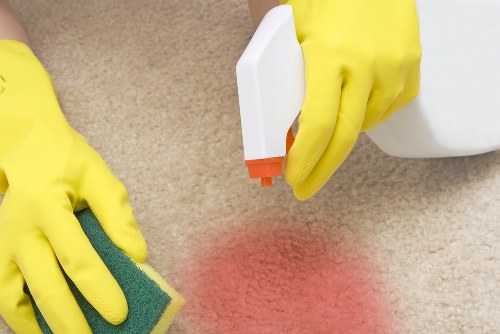
Deep cleaning refers to an intensive cleaning process that goes beyond daily maintenance. While regular cleaning often includes vacuuming, mopping, dusting, and wiping visible surfaces, deep cleaning digs much deeper. It involves scrubbing grout, washing baseboards, disinfecting high-touch areas, cleaning inside cabinets, and addressing buildup in kitchens and bathrooms. In short, deep cleaning is designed to reset a space.
One of the biggest differences between routine cleaning and deep cleaning is the level of detail. Routine cleaning keeps a space neat; deep cleaning focuses on restoring cleanliness at a deeper level. For example, a kitchen may look clean after counters are wiped, but there could still be grease behind the stove, crumbs in drawers, and residue inside the oven. A proper deep cleaning handles these hidden problem areas.
Deep cleaning is also important because dirt builds up slowly. At first, it is barely noticeable, but over time it can lead to stains, odors, and wear. Regularly scheduled deep cleaning can help prevent that buildup from becoming a larger problem. For households that value cleanliness, freshness, and a healthier atmosphere, this process is a smart and practical habit.
Why Deep Cleaning Matters for Homes and Businesses
There are many reasons people choose deep cleaning, and the benefits are both visible and invisible. In homes, it creates a more pleasant atmosphere and helps reduce the spread of dust, bacteria, and allergens. In offices or commercial spaces, it supports a professional appearance and contributes to a cleaner shared environment. No matter the property type, deep cleaning has long-term value.
Health is one of the most important reasons to prioritize deep cleaning. Dust, pet dander, mold spores, and bacteria can settle in overlooked places. Over time, these particles may affect breathing comfort and trigger allergies. Deep cleaning helps reduce these hidden irritants by reaching areas that standard cleaning may not address often enough.
Another major benefit is maintenance. When dirt and residue are left to accumulate, they can damage surfaces and shorten the life of household items. For example, soap scum can dull bathroom fixtures, grease can affect kitchen appliances, and dust can clog vents and fans. A detailed cleaning routine helps protect your investment and keeps materials in better condition.
Key Areas That Need Deep Cleaning
Every property has areas that tend to be neglected during normal cleaning. These are the places where grime quietly accumulates, making deep cleaning especially valuable. A good plan identifies these trouble spots and gives them proper attention.
- Kitchen appliances, including ovens, microwaves, refrigerators, and range hoods
- Bathrooms, including grout, drains, tile, and around fixtures
- Baseboards and moldings, which often collect dust and marks
- Behind and under furniture, where debris can accumulate unnoticed
- Windows, tracks, and sills, which gather dust and outdoor grime
- Vents, fans, and air returns, where dust buildup can affect air quality
- Closets and storage spaces, often overlooked during weekly cleaning
In kitchens, deep cleaning often requires attention to grease, crumbs, and hidden spills. In bathrooms, the goal is to remove soap scum, mineral deposits, and bacteria-prone residue. In living rooms and bedrooms, deep cleaning may include dusting ceiling fans, washing window treatments, and vacuuming upholstery. Each room has its own needs, and understanding those differences makes the process more effective.
When all of these areas are cleaned carefully, the result is noticeable. The space looks brighter, smells cleaner, and feels more organized. That is one reason deep cleaning is often associated with a fresh start, whether it is seasonal maintenance, post-renovation cleanup, or preparation for guests.
How Deep Cleaning Supports a Healthier Environment

A cleaner environment is often a healthier one. Deep cleaning helps reduce the buildup of dust, bacteria, mold, and other contaminants that can affect everyday comfort. For families with children, older adults, or individuals with sensitivities, this can make a meaningful difference. Deep cleaning is not just about appearance; it is about creating safer and more livable surroundings.
Indoor air quality is another important factor. Dust and debris can circulate through a room and settle on surfaces or in ventilation systems. When a space is deep cleaned regularly, these particles are removed more effectively. This can help reduce sneezing, congestion, and general discomfort caused by allergens. It also helps freshen the overall feel of the space.
Bathrooms and kitchens deserve special attention because they are used frequently and can become breeding grounds for germs when neglected. Deep cleaning these areas helps disinfect high-touch points such as handles, faucets, switches, and counters. Consistent attention to these zones supports hygiene and reduces the spread of contaminants, making the home or workplace more sanitary.
Deep Cleaning in the Kitchen: Where Grease and Grime Hide
The kitchen is one of the most important areas to deep clean because it is where food is prepared, spills happen, and grease can build up quickly. A kitchen may look tidy on the surface, but it often contains hidden dirt in corners, seams, and appliances. Deep cleaning the kitchen means going beyond a simple wipe-down and addressing every detail.
Start by emptying cabinets and wiping the shelves. Clean the tops of cabinets where dust and grease may settle. Move appliances when possible to remove debris behind and underneath them. Scrub the sink, faucet, backsplash, and countertop edges. Do not forget the inside of the microwave, oven, refrigerator, and dishwasher. These spots often trap odors and residue that regular cleaning misses.
For a truly effective result, use a step-by-step method. Focus on one area at a time, and use the right cleaner for each surface. Stainless steel, tile, glass, and wood all require different care. This is where deep cleaning services or a structured home routine can make a big difference, especially if you want consistent results without missing hidden buildup.
Deep Cleaning in the Bathroom: Fighting Moisture, Soap Scum, and Buildup
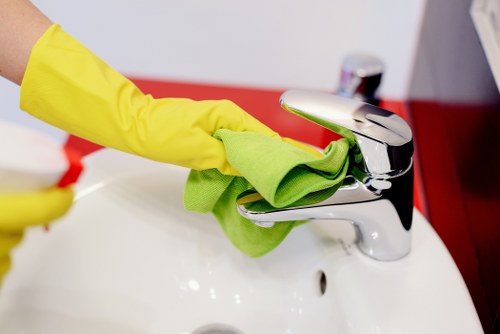
Bathrooms are another major focus area for deep cleaning because they deal with moisture, heat, and frequent use. These conditions can lead to soap scum, mildew, hard water stains, and grime on every surface. A proper deep cleaning approach helps restore brightness and hygiene to the space.
Begin with the most visible surfaces, then work into the less obvious places. Scrub sinks, tubs, showers, toilets, tile, and grout thoroughly. Pay attention to shower doors, faucet bases, behind the toilet, and under sinks. These areas often hold buildup that affects both appearance and cleanliness. If necessary, allow cleaning products to sit for a few minutes before scrubbing so they can loosen residue more effectively.
Bathroom deep cleaning also includes disinfecting high-touch surfaces. Handles, light switches, towel bars, and drawer pulls should all be cleaned carefully. Freshness, sanitation, and visual clarity are the main goals here, and when done properly, the entire room feels more inviting and easier to maintain afterward.
Living Areas and Bedrooms: Dust Control and Comfort
Living rooms and bedrooms are often treated as low-maintenance spaces, but they still need deep cleaning from time to time. Dust settles on shelves, fabrics, baseboards, fan blades, and behind furniture. Over time, these particles affect both cleanliness and comfort. Deep cleaning in these rooms improves the atmosphere and can make the entire home feel more restful.
Vacuuming under beds and sofas, dusting vents and ceiling fans, washing pillow covers, and cleaning upholstery are all part of a proper deep cleaning routine. Window frames, curtain rods, and blinds should also be addressed since they often collect dust unnoticed. If you have rugs or carpets, a detailed treatment can remove embedded dirt and improve the texture and appearance of the flooring.
Bedrooms benefit especially from deeper cleaning because they are meant to feel calm and restorative. A fresh mattress surface, clean bedding, and reduced dust around sleeping areas can contribute to better comfort. The same is true for living spaces, where a polished, dust-free environment creates a more enjoyable place to relax, work, or spend time with family.
How Often Should Deep Cleaning Be Done?
The right schedule depends on lifestyle, household size, pets, and how often a space is used. Some homes may need deep cleaning every few months, while others benefit from seasonal or monthly attention in high-traffic areas. The key is to establish a realistic routine that prevents buildup from becoming overwhelming.
- Monthly: Kitchens, bathrooms, and high-traffic floors
- Seasonally: Windows, baseboards, vents, closets, and behind furniture
- After events: Special cleanup after gatherings, parties, or renovations
- As needed: Pet-related buildup, odor control, or allergy management
For many people, seasonal deep cleaning is the most practical approach. It aligns well with changing weather, spring refreshes, holiday preparations, and major home maintenance tasks. However, some households prefer a more frequent schedule to keep the environment consistently clean. The best routine is the one you can maintain with confidence and consistency.
DIY Deep Cleaning vs Professional Services

Many homeowners handle deep cleaning on their own, while others prefer to hire professionals. Both options have value, and the best choice often depends on time, budget, and the size of the space. A DIY approach works well for routine maintenance, while professional deep cleaning can provide a more intensive result with specialized tools and products.
Doing it yourself offers control and flexibility. You can clean on your own schedule, choose your preferred products, and focus on the areas that matter most to you. On the other hand, professional cleaning teams often bring experience, equipment, and methods that help achieve a deeper level of cleanliness more efficiently. This can be especially useful for large homes, busy households, or properties that have not had a full deep cleaning in a while.
When deciding between DIY and professional help, think about your goals. If you want a fresh reset before a move, event, or seasonal transition, a professional service may save time and energy. If you simply want to stay ahead of buildup, a structured at-home routine may be enough. Either way, deep cleaning remains a valuable part of property care.
What to Look for in a Deep Cleaning Service
If you decide to hire help, choosing the right team matters. Look for service providers that emphasize detail, consistency, and care. A strong service should explain what areas are included, what products are used, and how the cleaning process is organized. It should also be clear about expectations so there are no surprises.
- Clear scope of work and included tasks
- Attention to kitchens, bathrooms, and hidden areas
- Safe and effective cleaning products
- Flexible scheduling for your needs
- Consistent results and professional standards
Choosing well can make a big difference in the outcome. A reliable deep cleaning team helps reduce stress and ensures that the job is done thoroughly. If you are ready to refresh your space, contact us today to take the next step toward a cleaner environment. Book your service now and enjoy the difference that detailed cleaning can make.
Deep Cleaning Tips for Better Results
Whether you are cleaning on your own or preparing for a professional visit, a few smart habits can improve your results. Planning ahead saves time and helps ensure nothing gets overlooked. Deep cleaning is easier when it is broken into manageable sections rather than tackled all at once.
- Work from top to bottom so dust falls onto areas that will be cleaned later
- Use microfiber cloths to trap dust more effectively
- Let cleaning solutions sit briefly before scrubbing stubborn buildup
- Move small furniture and appliances when safe to do so
- Focus on one room at a time to stay organized
- Replace or wash items that trap odor, such as mats, curtains, and covers
Another helpful tip is to declutter before starting. It is much easier to deep clean a room when surfaces are clear and items are organized. Clearing countertops, tabletops, and floors gives you better access to grime and reduces the chance of missing small spots. Clean spaces are often easier to maintain when clutter is kept under control.
Common Mistakes to Avoid During Deep Cleaning
Deep cleaning can be very effective, but only when it is done carefully. Some common mistakes can limit results or make the job harder than it needs to be. Avoiding these errors helps you get a cleaner, safer, and longer-lasting outcome.
One mistake is using the wrong product on a surface. Harsh chemicals can damage wood, stone, fabric, or finishes if they are not compatible. Another issue is rushing through the process. Deep cleaning takes time because the purpose is to reach hidden dirt and buildup. Skipping corners, baseboards, and behind appliances can leave the job incomplete.
It is also important not to overlook ventilation. Some areas, especially bathrooms and kitchens, need airflow while cleaning to reduce lingering odors and help surfaces dry properly. Finally, remember that consistency matters. A single deep cleaning session can make a dramatic difference, but regular maintenance is what keeps the benefits in place.
The Lasting Value of Deep Cleaning
Deep cleaning offers more than a temporary improvement. It creates a stronger foundation for daily maintenance and helps the entire space stay cleaner for longer. When hidden dirt is removed, regular cleaning becomes easier and more effective. Surfaces stay brighter, odors are reduced, and the overall environment feels more comfortable.
For homeowners, renters, and businesses alike, deep cleaning is a practical investment in cleanliness, health, and presentation. It can prepare a space for a new season, a special event, or a fresh chapter. It can also simply restore peace of mind by making the environment feel truly cared for. Deep cleaning is one of the smartest ways to refresh a property without major renovation or costly changes.
If your space has started to feel dull, dusty, or overused, now is the perfect time to take action. A detailed cleaning plan can help bring back order and freshness in a way that everyday tidying cannot match. Whether you do it yourself or choose expert support, the results are worth it. Contact us today and book your service now to experience the difference that a truly deep clean can make.