Communal Area Cleaning: Creating Healthier, Safer, and More Welcoming Shared Spaces
Why Communal Area Cleaning Matters

Communal area cleaning is one of the most important services for maintaining shared buildings, workplaces, and residential communities. Whether it involves apartment hallways, office lobbies, stairwells, lift areas, corridors, shared kitchens, or reception spaces, regular cleaning helps keep these environments safe, hygienic, and visually appealing. People often judge a property by its shared spaces first, which makes communal area cleaning a major part of overall building upkeep.
When a building is cleaned consistently, it does more than look neat. It helps reduce the spread of germs, supports better indoor air quality, and creates a more comfortable atmosphere for everyone who uses the space. In busy environments, high-touch surfaces such as door handles, handrails, buttons, and light switches can quickly collect dirt and bacteria. Proper communal area cleaning addresses these issues before they become bigger problems.
For landlords, property managers, facility teams, and residents, investing in professional communal area cleaning can improve satisfaction and even protect the long-term condition of the property. Clean shared spaces leave a strong impression and can contribute to higher retention in rental buildings, better workplace morale, and a stronger sense of pride in the environment.
What Is Communal Area Cleaning?
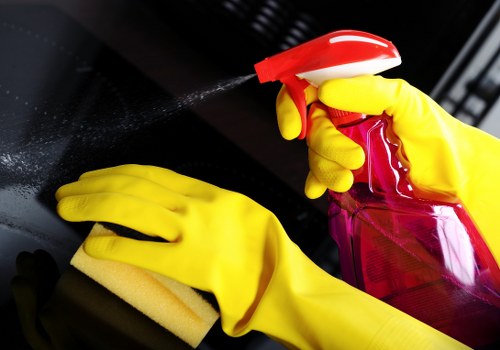
Communal area cleaning refers to the routine cleaning and maintenance of spaces used by multiple people in a building or complex. These are areas that are not private to one person or business, meaning they receive frequent traffic and need regular attention. Common examples include entrance halls, corridors, staircases, elevators, shared washrooms, bin stores, laundry rooms, and outdoor entry points.
This service is different from standard cleaning in a single home or office because communal spaces are exposed to constant use from many people. Dirt builds up faster, waste accumulates quickly, and surfaces become dirty more often. As a result, communal area cleaning usually requires a structured schedule, the right products, and careful attention to detail.
Depending on the property type, communal area cleaning may be carried out daily, several times a week, or on a tailored schedule. Flexible cleaning plans are often the best option because they can match the level of foot traffic and the specific needs of the building. A residential block may need a different approach than a commercial office or mixed-use development.
Key Benefits of Regular Communal Area Cleaning
There are many reasons why building owners and managers prioritize communal area cleaning. The advantages go far beyond appearance and can affect safety, hygiene, and the value of the property itself.
- Improved hygiene: Regular cleaning helps reduce dust, germs, and allergens in high-traffic areas.
- Better presentation: Clean hallways and entrances create a positive first impression for visitors and residents.
- Reduced wear and tear: Removing dirt and debris early helps protect flooring, walls, and fixtures.
- Safer environment: Spills, clutter, and rubbish are managed more quickly, reducing slip and trip hazards.
- Higher satisfaction: People feel more comfortable in a clean and well-maintained shared space.
These benefits show why communal area cleaning should be treated as an essential service rather than an optional extra. A building with regular cleaning is usually easier to manage and more pleasant to use. The difference is often noticeable within days of introducing a consistent cleaning routine.
In commercial settings, a clean communal environment can also support productivity. Employees and visitors tend to respond more positively when shared spaces are tidy and fresh. In residential buildings, residents are more likely to appreciate management efforts when shared spaces are well cared for.
Areas Commonly Included in Communal Area Cleaning
Every property is different, but most communal area cleaning services cover a broad range of shared spaces. The exact tasks depend on the site, the number of users, and the level of cleanliness required.
Typical areas that are cleaned
- Entrances and reception areas
- Hallways and corridors
- Staircases and stairwells
- Lift interiors and lift lobbies
- Shared kitchens and break rooms
- Toilets and washrooms
- Bin rooms and waste collection points
- Mail areas and delivery zones
- Car park entrances and access routes
- Outdoor common areas and thresholds
Some sites also require specialist attention for glass doors, skirting boards, wall marks, light fittings, and hard-to-reach corners. Attention to detail is what separates effective communal area cleaning from a basic tidy-up. A clean surface is important, but a truly well-maintained communal area should feel fresh throughout, not just look clean at first glance.
Buildings with shared amenities may also need regular sanitising of gym equipment, laundry room surfaces, and touchpoints in common workspaces. These areas often see intense use, so a tailored approach is essential.
Essential Tasks in a Professional Cleaning Routine
A professional communal area cleaning routine usually includes a set of repeated tasks designed to keep the space in good condition. These tasks can be adapted to daily, weekly, or monthly schedules depending on the environment.
Core cleaning tasks
- Dusting surfaces, fixtures, and ledges
- Vacuuming carpets and mats
- Sweeping and mopping hard floors
- Cleaning handrails, buttons, and handles
- Removing litter and emptying bins
- Wiping down glass and mirrored surfaces
- Sanitising toilets, sinks, and shared wash areas
- Spot-cleaning walls, doors, and visible marks
- Checking entrances for leaves, mud, and debris
- Restocking hygiene supplies where applicable
In many properties, communal area cleaning also includes reporting maintenance issues. For example, a cleaner may notice a broken light bulb, water leak, damaged door closer, or blocked entrance. Identifying these issues early helps prevent bigger problems and supports overall building safety.
When cleaning tasks are performed consistently, the building stays more presentable and easier to maintain. This also helps reduce the need for major deep cleans caused by neglect or irregular service.
How Communal Area Cleaning Supports Health and Safety
One of the strongest reasons to invest in communal area cleaning is health and safety. Shared environments naturally expose people to more germs, dust, and contaminants than private spaces. Without proper cleaning, bacteria can spread more easily, and poor upkeep may create unsafe conditions.
High-touch areas are especially important. Door handles, lift buttons, railings, and entrance panels are used repeatedly throughout the day. If these surfaces are not cleaned frequently, they can become hotspots for dirt and germs. Regular sanitising helps lower the risk of cross-contamination and supports a healthier environment for everyone.
Clean floors and clutter-free pathways also reduce the likelihood of slips, trips, and falls. This matters in buildings with children, elderly residents, office workers, or visitors carrying items. A safe environment depends on more than cleanliness alone; it also requires predictable and reliable upkeep.
Health and safety advantages include:
- Lower germ transmission in shared spaces
- Reduced allergy triggers from dust and debris
- Fewer slip hazards from spills or wet floors
- Clearer walkways and emergency exits
- Improved confidence in building hygiene
Choosing the Right Communal Area Cleaning Schedule

The ideal cleaning schedule depends on how often the space is used and what type of property it is. A small apartment block may need a simpler weekly routine, while a busy office building or large residential complex may require daily service. The key is to match cleaning frequency to real-world use.
For example, an entrance with heavy foot traffic may need vacuuming or sweeping every day, while higher-level corridors may need less frequent attention. Shared kitchens and toilets often need more regular cleaning than storage areas or less-used hallways. This is why a custom plan is so valuable in communal area cleaning.
Seasonal changes can also affect the schedule. In rainy or winter months, more mud, water, and debris are tracked indoors. During warmer months, dust, pollen, and odours may become more noticeable. Adjusting the cleaning plan throughout the year helps keep standards consistent.
Questions to consider when planning the schedule
- How many people use the area each day?
- Which surfaces are touched most often?
- Are there hygiene-sensitive spaces such as toilets or kitchens?
- Do weather conditions affect cleanliness?
- Is the property residential, commercial, or mixed-use?
Professional vs In-House Communal Area Cleaning
Some organisations manage communal area cleaning with in-house staff, while others hire professional cleaners. Both options can work, but the best choice depends on budget, building size, and service expectations.
In-house cleaning may suit smaller sites where the team already handles multiple tasks. However, professional services often bring consistency, specialist products, and a more efficient cleaning process. They are also useful for larger properties where reliable coverage and flexible scheduling matter most.
Professional communal area cleaning can be especially beneficial when a building needs documented routines, enhanced hygiene standards, or regular deep cleaning. Trained cleaners know how to work quickly while maintaining quality, and they often spot issues that others may overlook.
Advantages of professional cleaning
- Reliable service and scheduled visits
- Trained staff with experience in shared spaces
- Access to suitable cleaning materials and equipment
- Better consistency across all communal zones
- Reduced burden on property managers and residents
Best Practices for Effective Communal Area Cleaning
To get the best results from communal area cleaning, it helps to follow a structured approach. Buildings that stay clean over time usually rely on clear routines, careful inspection, and a focus on quality. Even simple improvements can make a big difference.
One best practice is to use a cleaning checklist. This ensures every essential task is completed and nothing is missed. Another is to prioritise high-traffic and high-touch areas, since these gather dirt fastest. A third is to use the right cleaning products for each surface, which helps prevent damage while improving results.
It is also important to monitor feedback from building users, even without formal testimonials. If residents or staff notice recurring issues such as dirty corners, full bins, or smudged glass, the schedule may need adjusting. Effective communal area cleaning is responsive and practical, not rigid.
Helpful best practices include:
- Using colour-coded cloths and tools to reduce cross-contamination
- Cleaning from top to bottom to avoid re-soiling surfaces
- Inspecting entrances and exits at peak use times
- Replenishing soap, tissue, and hygiene products promptly
- Scheduling deep cleans for floors, carpets, and hard-to-reach areas
Communal Area Cleaning for Residential Buildings
Residential communal area cleaning has a direct impact on how tenants and residents feel about their home environment. Shared hallways, entrance lobbies, staircases, and bin areas are used daily, so they need careful upkeep. A clean residential block looks more cared for and creates a better living experience.
Residents are more likely to value a property when common areas are tidy and free from unpleasant odours, dust, and clutter. This can be especially important in apartment buildings where people pass through shared spaces many times a day. Good cleaning standards support a calmer, more organised, and more welcoming atmosphere.
In residential settings, communal area cleaning may also need to address items left behind in hallways, litter near entrances, and marks on walls caused by frequent movement. A reliable routine helps prevent these issues from building up and keeps the property in better condition for longer.
Common residential cleaning priorities
- Keeping entrance halls clean and presentable
- Maintaining stairwells and lift areas
- Managing waste and bin room hygiene
- Removing cobwebs, dust, and fingerprints
- Protecting flooring and wall finishes from damage
Communal Area Cleaning for Offices and Commercial Properties
In commercial buildings, communal area cleaning plays a major role in workplace presentation and professionalism. Reception areas, break rooms, corridors, toilets, and shared meeting zones are all part of the overall experience for employees, clients, and visitors.
A clean shared environment can improve morale and create a stronger business image. It also helps teams work in a more pleasant setting. When communal areas are neglected, the whole property can feel less organised, even if individual workstations are clean.
Commercial communal area cleaning may require more frequent service, particularly in buildings with large numbers of staff or frequent public visitors. Regular attention to floors, surfaces, and washroom hygiene is essential to maintaining standards. Many businesses also benefit from scheduled deep cleaning to keep the property looking polished.
Commercial priorities often include:
- Protecting brand image through clean presentation
- Maintaining sanitary washrooms and kitchens
- Cleaning entrances and public-facing areas regularly
- Reducing disruption by working around business hours
- Supporting a professional atmosphere throughout the building
Eco-Friendly Approaches to Communal Area Cleaning
Many property managers now prefer eco-conscious cleaning methods that reduce environmental impact while still delivering strong results. Sustainable communal area cleaning may involve using low-toxicity products, reducing water waste, and selecting reusable materials where appropriate.
Eco-friendly cleaning does not mean compromising on hygiene. In fact, many modern products are designed to be effective while being gentler on surfaces and safer for regular use. This can be especially helpful in communal areas where people with sensitivities, children, or older adults may spend time.
Responsible cleaning practices can also support a building’s wider sustainability goals. Better product choices, efficient equipment, and waste reduction all contribute to a cleaner environment inside and outside the property.
Examples of greener cleaning habits
- Using refillable cleaning solutions
- Choosing biodegradable products where suitable
- Reducing single-use materials
- Using microfiber cloths and mop heads
- Applying measured doses to avoid waste
How to Maintain Long-Term Cleanliness
Long-term success in communal area cleaning depends on consistency. A property can look spotless after one service, but that standard only lasts if the routine continues. The best results come from ongoing attention, regular inspections, and a realistic plan that fits the building’s use.
It also helps when property managers, cleaning teams, and occupants all play a role. While cleaners handle the main service, users should avoid leaving litter, blocking corridors, or damaging shared spaces. Shared responsibility helps preserve the results of the cleaning work and keeps the environment pleasant for everyone.
Routine audits are another useful tool. By checking whether the building meets expected standards, managers can identify gaps and improve the service. This may include adjusting frequency, increasing focus on certain zones, or adding seasonal tasks.
Ways to support long-term cleanliness:
- Set clear cleaning expectations for the property
- Review high-traffic areas regularly
- Respond quickly to spills and mess
- Use durable mats at entrances
- Schedule periodic deep cleaning alongside regular service
Choosing a Communal Area Cleaning Service
If you are looking for a service provider, it is worth considering quality, reliability, and flexibility. The right communal area cleaning service should understand the demands of shared spaces and offer a plan that suits the building’s layout and usage patterns.
Look for a provider that offers tailored schedules, clear task lists, and a strong focus on consistency. Experience in both residential and commercial settings can be an advantage, especially for mixed-use properties. The ability to adapt to changing needs is also important.
It is wise to choose a service that values communication and accountability. Even though this article avoids contact details, the principle remains simple: a cleaning partner should be responsive, dependable, and committed to maintaining standards. Book your service now if you want shared spaces that consistently look their best.
What to look for in a provider
- Proven experience in communal area cleaning
- Flexible schedules and tailored service plans
- Clear task allocation and quality control
- Suitable products and equipment for the property
- Strong attention to detail and consistency
If your building needs a better standard of upkeep, contact us today to discuss a cleaning approach that supports cleanliness, safety, and presentation. The right service can make a noticeable difference from the first visit.
The Lasting Value of Clean Shared Spaces
Communal area cleaning is more than a routine chore. It is a practical investment in hygiene, safety, and the overall experience of everyone who uses the building. Clean shared spaces help people feel more comfortable, support property value, and make daily life easier for residents, staff, and visitors.
From residential blocks to commercial properties, the benefits are clear: improved presentation, healthier conditions, and reduced maintenance problems. When shared spaces are cleaned well and maintained consistently, the entire property benefits. That is why communal area cleaning should remain a priority for any building with regular foot traffic.
Whether you manage a small block or a large business premises, the right cleaning plan can transform the way a space looks and feels. Book your service now and take the next step toward a cleaner, safer, and more welcoming environment.