Commercial Cleaning in Modern Business Environments
Commercial cleaning plays a far bigger role in daily business operations than many people realize. A clean workplace influences first impressions, supports employee well-being, helps protect assets, and contributes to a more productive environment overall. Whether it is an office, retail store, medical suite, warehouse, school, or hospitality venue, commercial cleaning helps keep spaces presentable, hygienic, and ready for business every day.
Today’s businesses are expected to maintain high standards of cleanliness. Clients notice the condition of floors, restrooms, desks, lobbies, and shared spaces. Employees notice too, because a tidy and sanitized environment can reduce distractions and help them feel more comfortable. For that reason, commercial cleaning is not just about appearance; it is about operational excellence, risk reduction, and a healthier workplace culture.
As competition grows across industries, many organizations are placing a stronger emphasis on professional cleaning services. Companies that invest in commercial cleaning often see better consistency, improved brand perception, and fewer disruptions caused by mess, clutter, or sanitation issues. In many sectors, the right cleaning routine can also support compliance and safety standards.
What Commercial Cleaning Includes
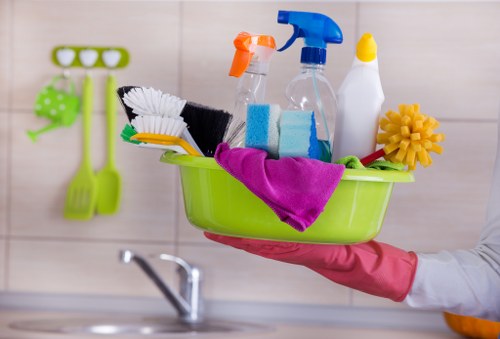
Commercial cleaning refers to professional cleaning services designed for business and institutional spaces rather than private homes. Unlike residential cleaning, it typically involves larger areas, specialized equipment, industry-specific cleaning methods, and schedules built around business hours or operational needs. The services may be performed daily, weekly, monthly, or on a customized basis depending on the property.
Common commercial cleaning tasks include vacuuming, mopping, dusting, disinfecting high-touch surfaces, restroom sanitation, waste removal, carpet care, floor polishing, window cleaning, and replenishing supplies. Some providers also offer deeper services such as pressure washing, hard floor restoration, post-construction cleanup, and specialized disinfection.
Businesses often rely on commercial cleaning to keep their facilities safe and polished while minimizing the burden on internal staff. A professional team brings the right tools, training, and cleaning chemicals to handle a wide range of environments efficiently.
Types of spaces that benefit from cleaning services
Commercial cleaning is used across many different settings. Each environment has its own requirements, and a skilled cleaning provider adapts accordingly.
- Office buildings that need regular dusting, trash removal, and restroom cleaning
- Retail stores that require spotless floors, glass surfaces, and customer-facing areas
- Medical offices where sanitation and infection control are essential
- Schools and educational facilities that need ongoing disinfection and maintenance
- Warehouses and industrial spaces that must manage dust, debris, and safety hazards
- Restaurants and hospitality venues that depend on clean dining, kitchen, and lobby areas
Why Commercial Cleaning Matters for Businesses
A business that looks clean creates confidence. Customers and visitors tend to associate cleanliness with professionalism, reliability, and attention to detail. That perception matters, especially in industries where trust and comfort influence buying decisions. Commercial cleaning helps businesses create a strong visual impression from the moment someone steps through the door.
Cleanliness also supports employee morale. People are usually more comfortable and focused in a tidy environment. When desks, break rooms, and restrooms are maintained properly, employees are less likely to be distracted by clutter or unpleasant conditions. This can contribute to a more positive and efficient workplace.
There are also practical health benefits. Dust, bacteria, allergens, and grime accumulate quickly in busy environments. Routine commercial cleaning can help reduce the spread of germs, limit buildup, and support better air quality. In spaces with heavy foot traffic, regular sanitization is especially important.
Business benefits at a glance
Professional cleaning services can affect several areas of performance:
- First impressions: A clean facility helps build trust immediately.
- Productivity: Employees work better in organized spaces.
- Health and safety: Fewer contaminants and fewer slip hazards.
- Asset protection: Routine care extends the life of floors, furniture, and fixtures.
- Brand reputation: Clean facilities reflect a well-run organization.
For many organizations, commercial cleaning becomes a strategic investment rather than a routine expense. When handled well, it can contribute to smoother operations and better long-term value.
How cleanliness affects customer behavior
Customers are often quick to notice neglected areas. Smudged glass, dirty restrooms, overflowing bins, or sticky floors can all influence how a business is judged. On the other hand, a fresh and orderly environment encourages confidence and repeat visits. In customer-facing industries, commercial cleaning can directly affect sales and retention.
Core Services Commonly Offered
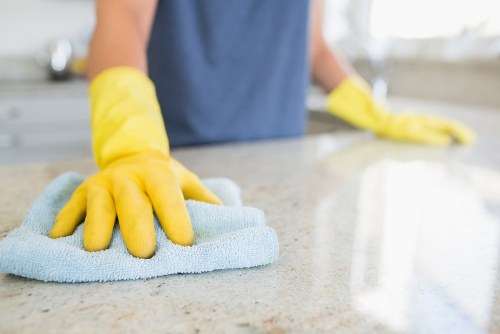
Professional commercial cleaning companies usually offer a menu of services that can be tailored to each facility. Some businesses need daily maintenance, while others need periodic deep cleaning. The right package depends on traffic levels, industry requirements, and the type of surfaces or equipment being maintained.
Typical services may include dusting, vacuuming, trash collection, restroom cleaning, and surface disinfection. Many providers also handle carpet care, upholstery cleaning, interior window washing, kitchen and break room sanitation, and floor maintenance for tile, vinyl, concrete, or hardwood surfaces. The goal is to keep every part of the facility functional and presentable.
Some businesses need specialized services beyond standard upkeep. For example, healthcare environments may require extra sanitation protocols, while industrial spaces may need debris control and machinery-area cleaning. A strong commercial cleaning provider understands how to adjust methods for different settings.
Popular add-on services
- Carpet extraction to remove embedded dirt and allergens
- Hard floor stripping and waxing for shine and durability
- Post-construction cleanup to clear dust and residue after renovations
- Window and glass cleaning for a polished appearance
- Pressure washing for exterior surfaces and entryways
- Specialized disinfection for high-touch or sensitive areas
These add-on options make it easier to maintain a consistent standard across the property. They can also help extend the lifespan of expensive materials and reduce the need for repairs or replacements.
Custom scheduling options
Every business has different operational rhythms. Some need cleaning before opening hours, others after closing, and some prefer ongoing daytime support. Flexibility is one of the biggest advantages of commercial cleaning services. Providers can often create a schedule that fits around business activity, seasonal needs, or event-based demands.
How to Choose the Right Commercial Cleaning Partner
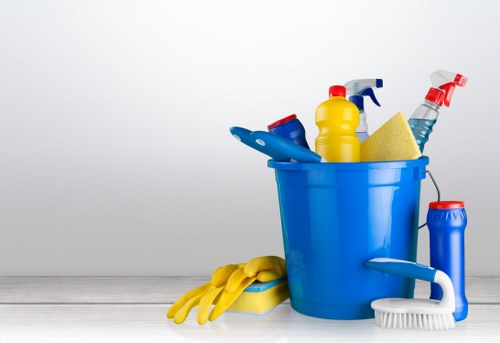
Selecting the right provider for commercial cleaning is an important decision. Not every cleaning company offers the same quality, consistency, or range of services. Businesses should look for a provider with experience in their industry, a reliable process, and the ability to customize service plans.
One key factor is training. Cleaning staff should know how to use equipment safely, handle cleaning chemicals properly, and work in sensitive environments without disrupting operations. A professional provider should also have clear quality control systems, insurance coverage, and a dependable communication process.
It is also wise to review the company’s service flexibility. Can they scale up during busy seasons? Can they adjust frequency if traffic changes? Can they provide specialized care for floors, restrooms, or high-touch zones? These details matter because commercial cleaning needs can evolve over time.
What to look for in a provider
- Experience in commercial environments similar to yours
- Trained staff with knowledge of safety and sanitation procedures
- Custom service plans based on building size and traffic
- Reliable communication and clear task expectations
- Eco-conscious options for businesses focused on sustainability
- Quality assurance processes such as inspections or checklists
Choosing well can save time and reduce frustration. A trusted commercial cleaning partner should feel like an extension of your operations, not an extra complication.
Questions businesses should ask
Before signing a service agreement, businesses often benefit from asking a few practical questions:
- What services are included in the standard plan?
- How are urgent issues or special requests handled?
- What products and equipment are used?
- How is staff training managed?
- Are service levels reviewed regularly?
These questions help clarify expectations and make it easier to compare providers fairly.
Commercial Cleaning and Workplace Health

Workplace health has become a priority across nearly every industry. People spend many hours each day indoors, often sharing surfaces, air, and common areas. That makes commercial cleaning a major part of maintaining a healthy work setting. When cleaning is consistent and thoughtful, it can help reduce germs, allergens, and odors that affect comfort and productivity.
High-touch areas are especially important. Door handles, elevator buttons, light switches, counters, reception desks, and shared equipment can all carry bacteria if not cleaned regularly. Disinfection of these areas is a core part of many commercial cleaning programs. In some settings, such as healthcare or food service, this step is even more critical.
Commercial cleaning also supports indoor air quality by reducing dust and debris that may circulate through HVAC systems. Cleaner carpets, floors, and surfaces can lead to a fresher environment and may be particularly helpful for employees or visitors with allergies or sensitivities.
Health-focused cleaning practices
To support a healthier facility, many professional teams use methods such as:
- Routine sanitation of desks, counters, and shared surfaces
- Restroom deep cleaning to maintain hygiene and odor control
- Dust reduction on vents, baseboards, and shelving
- Green cleaning products that reduce harsh chemical exposure
- Scheduled deep cleans to remove buildup from hidden areas
A business that prioritizes health often finds that consistent commercial cleaning pays off in employee satisfaction, reduced complaints, and a more comfortable atmosphere overall.
The role of sanitation in modern workspaces
Sanitation is no longer optional in many environments. Customers and staff expect visible cleanliness and reasonable hygiene standards. Commercial cleaning helps meet those expectations while also reinforcing a company’s commitment to professionalism and care.
If a workplace has kitchens, meeting rooms, shared desks, or frequent visitors, sanitation should be built into the cleaning plan rather than treated as an occasional task. A smart approach makes the environment easier to manage and more appealing to everyone who enters.
Green Commercial Cleaning and Sustainability
Many businesses are now looking for ways to reduce their environmental footprint, and commercial cleaning can support that goal. Sustainable cleaning practices may include biodegradable products, microfiber cloths, reduced water usage, efficient equipment, and waste-conscious routines. These choices help businesses maintain cleanliness while aligning with broader environmental values.
Green commercial cleaning can be especially attractive to organizations that want healthier indoor environments. Some traditional cleaning chemicals leave strong odors or residues that can be irritating. Eco-friendly products may offer a better balance between effectiveness and comfort, particularly in offices, schools, and wellness-oriented spaces.
Sustainability is not only about chemicals. It also includes smarter scheduling, reduced paper waste, and longer-lasting floor and surface care. When commercial cleaning is planned carefully, it can lower resource use without sacrificing results.
Advantages of environmentally conscious cleaning
- Less chemical exposure for staff and visitors
- Lower environmental impact through greener product choices
- Improved indoor comfort with fewer harsh odors
- Better alignment with corporate responsibility goals
- Potentially longer surface life through proper maintenance
Businesses that promote sustainability can also benefit from choosing a commercial cleaning provider that understands environmentally responsible practices. It is an easy way to support both appearance and values at the same time.
Making sustainable cleaning practical
Effective green cleaning does not have to be complicated. Simple steps such as using concentrated products properly, selecting reusable tools, and scheduling deep cleans strategically can make a meaningful difference over time.
When sustainability is integrated into routine commercial cleaning, it becomes part of the business culture rather than a separate initiative.
Commercial Cleaning for Different Industries
Not every business needs the same cleaning plan. Industry differences matter because traffic levels, regulations, and safety concerns vary widely. A retail store does not require the same approach as a medical office, and an office building has different priorities than a warehouse.
For offices, commercial cleaning usually focuses on restrooms, break rooms, meeting areas, and workstations. For retail spaces, the emphasis may be on floors, glass, fitting rooms, and customer-facing displays. In healthcare settings, sanitation protocols become more rigorous to help reduce contamination risks. Restaurants and hospitality businesses often need frequent, detailed cleaning to keep up with high traffic and strict standards.
Industrial and warehouse facilities may need attention to dust control, debris removal, loading areas, and safety hazards. In schools, cleaning plans often prioritize disinfection, shared surfaces, and restroom upkeep to support a large number of occupants throughout the day.
Examples of industry-specific priorities
- Offices: Professional appearance, shared space sanitation, and waste management
- Retail: Floor care, displays, fitting rooms, and windows
- Healthcare: High-touch disinfection and compliance-aware processes
- Hospitality: Guest areas, lobbies, restrooms, and public spaces
- Industrial: Safety, debris control, and dust reduction
By tailoring commercial cleaning to the industry, providers can deliver better results with fewer wasted steps. This improves efficiency and supports the facility’s core purpose.
How Commercial Cleaning Supports Long-Term Property Care
Cleanliness affects more than daily appearance; it also influences the condition of the property itself. Dirt, dust, spills, and debris can wear down surfaces over time. Carpets become stained, floors lose their finish, and fixtures show signs of neglect sooner when routine care is inconsistent. With regular commercial cleaning, businesses can protect their investment and reduce long-term maintenance costs.
Floors are a good example. Proper sweeping, mopping, buffing, stripping, and waxing can extend the life of flooring materials. The same is true for carpets, which benefit from routine vacuuming and periodic extraction. Windows, furniture, and surfaces also last longer when cleaned correctly and often.
This preventive value is one reason many property managers treat commercial cleaning as part of asset preservation. It helps keep the building attractive while reducing the likelihood of expensive repairs or replacements later.
Maintenance advantages
- Reduced wear and tear on flooring and fixtures
- Lower replacement costs for carpets, furniture, and finishes
- Cleaner mechanical and traffic areas
- Fewer stain and damage issues caused by buildup
In other words, commercial cleaning is not only about looking polished today. It is also about preserving value for the future.
Building an Effective Cleaning Schedule
An effective commercial cleaning schedule balances frequency, budget, and business needs. Some tasks should happen daily, such as trash removal and restroom cleaning. Others may be weekly, monthly, or quarterly, including deep carpet care or floor restoration. The best schedule is one that matches actual usage instead of relying on a one-size-fits-all plan.
Business owners and facility managers often begin by identifying the highest-traffic areas and the spaces that cause the most complaints or visibility issues. Those zones should receive priority. From there, a commercial cleaning provider can build a plan that addresses both routine upkeep and periodic deep cleaning.
Consistency matters. Even excellent cleaning performed irregularly will not deliver the same results as a steady schedule. Predictable service keeps the space from slipping into visible neglect and makes maintenance easier over time.
A simple framework for scheduling
- Daily: Restrooms, trash, entryways, break rooms, and high-touch surfaces
- Weekly: Dusting, vacuuming, glass cleaning, and deeper surface care
- Monthly: Floor polishing, detail cleaning, and hard-to-reach areas
- Quarterly or seasonal: Carpet extraction, pressure washing, and deep restoration
Businesses that review the schedule regularly can adjust as occupancy, weather, and operations change. That flexibility keeps commercial cleaning effective and efficient.
Why Professional Commercial Cleaning Is a Smart Investment
At its core, commercial cleaning supports the way a business looks, feels, and functions. It contributes to a healthier environment, a stronger brand image, and a more organized workplace. It also reduces stress for internal teams who might otherwise be asked to handle cleaning duties outside their main responsibilities.
For decision-makers, the value of commercial cleaning is often seen in the details: fewer complaints, better customer impressions, cleaner work areas, and more dependable property upkeep. Those outcomes can have a measurable effect on reputation and operations.
Businesses that treat cleaning as a priority are usually better positioned to create welcoming spaces and maintain consistent standards. That is why commercial cleaning remains essential across industries, property types, and business sizes.
If you want to improve the appearance, hygiene, and long-term condition of your facility, now is the time to act. Contact us today or book your service now to keep your business looking professional and ready for success.