Office Cleaning That Supports Productivity, Health, and a Better Workplace
Office cleaning is more than a routine task; it is a practical investment in the way people work, feel, and perform every day. A clean office creates a stronger first impression, supports employee well-being, and helps reduce the spread of germs in shared spaces. Whether you manage a small workspace, a growing corporate environment, or a busy professional suite, office cleaning plays a major role in maintaining a safe and polished environment.
Today’s workplaces are expected to do more than look tidy. They need to feel fresh, organized, and hygienic from the reception area to the meeting rooms and break spaces. Professional office cleaning helps businesses maintain that standard consistently. It also supports brand image, improves morale, and reduces the distractions that come from clutter, dust, and unpleasant odors.
In this article, we will explore what office cleaning involves, why it matters, what services are typically included, and how to choose the right approach for your workplace. If your business wants a cleaner, healthier environment, now is the right time to book your service now and make cleanliness a priority.
Why Office Cleaning Matters for Every Business
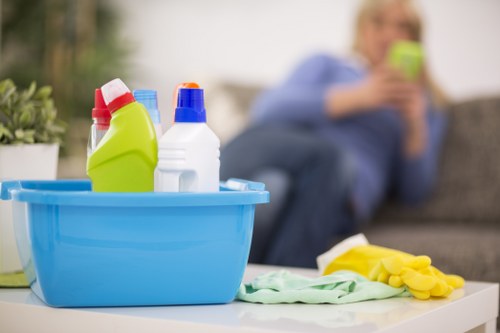
Every office benefits from regular cleaning, but the reasons go far beyond appearance. Office cleaning helps protect employees, visitors, and clients by reducing dust buildup, bacteria, allergens, and other contaminants that can circulate through shared areas. In spaces where people touch the same desks, doorknobs, keyboards, and breakroom surfaces, cleanliness becomes a health and safety concern, not just a cosmetic one.
When a workplace is kept clean, it also becomes more efficient. Employees spend less time dealing with messy desks, overflowing bins, or dirty common areas, and more time focusing on their responsibilities. A well-maintained office can improve concentration, lower stress, and create a more professional atmosphere overall.
Office cleaning services also help businesses present themselves in the best possible light. Clients, partners, and potential employees often notice cleanliness immediately. A spotless reception area and well-kept meeting room communicate attention to detail, care, and reliability. That kind of impression matters in every industry.
What Is Included in Professional Office Cleaning?
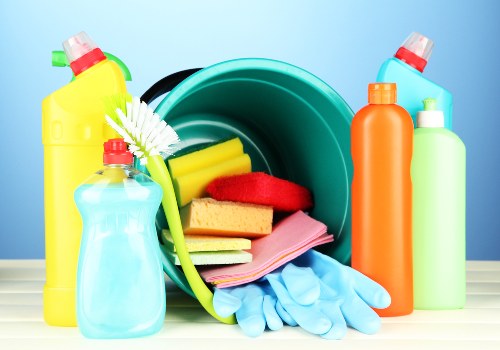
Office cleaning can be customized to suit the size, layout, and needs of a workplace. While each business is different, most office cleaning plans include a core set of tasks that keep the environment orderly and sanitary. These tasks are usually performed on a daily, weekly, or scheduled basis depending on traffic and usage.
Common office cleaning tasks include:
- Dusting desks, shelves, windowsills, and office furniture
- Vacuuming carpets and rugs
- Sweeping and mopping hard floors
- Cleaning and sanitizing restrooms
- Emptying trash and recycling bins
- Wiping down high-touch surfaces
- Cleaning kitchenettes and break rooms
- Polishing glass doors, mirrors, and interior windows
Some offices also request additional services such as deep carpet cleaning, upholstery care, floor stripping and waxing, or post-construction cleanup. These extra services help maintain the long-term condition of the property and support a consistently polished workplace.
Commercial office cleaning is often tailored to the workflow of the business. For example, a medical office may require more frequent disinfection, while a creative agency may prioritize open-plan workstations, conference rooms, and client-facing areas. The best cleaning plan always reflects how the office is actually used.
The Benefits of Regular Office Cleaning
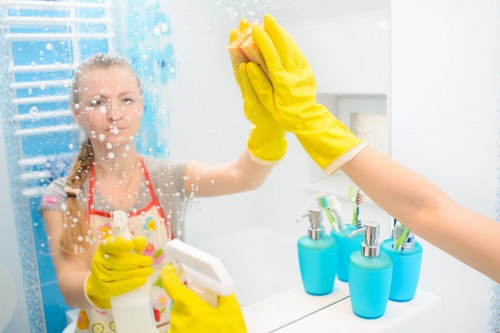
Consistent office cleaning delivers benefits that can be felt across the entire organization. One of the biggest advantages is healthier air quality. Dust, crumbs, and allergens can accumulate quickly in enclosed workspaces, especially in carpeted areas or offices with limited ventilation. Regular cleaning helps control these issues and supports a more comfortable environment.
Another major benefit is reduced absenteeism. Shared surfaces can become a source of bacteria and viruses when not cleaned properly. By maintaining a regular cleaning schedule, businesses can help limit the spread of illness and promote fewer sick days throughout the year. This is especially important in busy office environments where many people interact throughout the day.
Cleanliness also supports employee satisfaction. People often feel more valued when they work in a tidy, organized setting. A fresh office can reduce frustration and create a more professional atmosphere, which may contribute to better performance and stronger morale. When the workplace looks cared for, employees are more likely to treat it with care as well.
Additional Advantages of Office Cleaning
There are several other reasons why businesses invest in regular office cleaning:
- It helps protect office furniture, flooring, and fixtures from premature wear
- It keeps client-facing areas presentable and professional
- It reduces clutter, which can improve workflow and focus
- It supports better organization across departments
- It creates a more welcoming environment for visitors
These benefits make office cleaning a practical solution for businesses that want both immediate results and long-term value. If your current process feels inconsistent, it may be time to contact us today and explore a better routine for your workplace.
Office Cleaning and Workplace Health
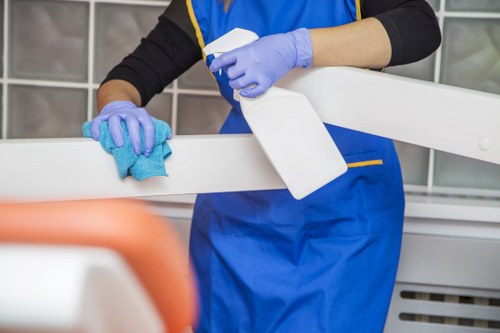
Health and cleanliness are closely connected in any shared workplace. Office cleaning reduces the buildup of germs on surfaces that are touched frequently throughout the day, including light switches, elevator buttons, shared equipment, and communal tables. These areas can quickly become hotspots for contamination if not cleaned with the right products and frequency.
A healthier office environment does not just mean fewer germs. It also means less dust, fewer allergens, and improved comfort for people with sensitivities. Many employees spend most of their day indoors, so indoor cleanliness has a direct impact on how they feel physically and mentally. When air feels fresh and surfaces look clean, the entire space becomes more pleasant to use.
Office sanitizing is especially important in reception areas, conference rooms, restrooms, and shared kitchens. These spaces experience heavy use and need extra attention to keep them safe and professional. A thoughtful cleaning schedule can help businesses stay ahead of messes and maintain consistent standards.
How Cleanliness Supports Mental Well-Being
It is easy to underestimate how much a clean environment affects mood and focus. Clutter and dirt can create visual noise, making it harder for people to concentrate. A clean office, by contrast, can feel more calm, structured, and energizing. Employees may find it easier to settle into their tasks when the environment itself feels organized and cared for.
In that sense, office cleaning supports more than physical health. It helps create a workplace culture where professionalism, comfort, and productivity can thrive together.
Choosing the Right Office Cleaning Schedule

Not every workplace needs the same cleaning frequency. The best office cleaning schedule depends on factors such as employee count, foot traffic, the type of work being done, and whether clients regularly visit the space. A small office with limited traffic may need a different routine than a large corporate building or a busy customer service center.
Daily office cleaning is usually recommended for shared spaces, restrooms, kitchens, and reception areas. Weekly or biweekly services may be suitable for smaller offices or areas that see less use. Deep cleaning can be scheduled monthly, quarterly, or seasonally to address buildup that regular cleaning may not fully remove.
When deciding on a schedule, businesses should consider the following:
- How many people use the office each day
- How often clients or visitors come in
- Which areas are high-touch or high-traffic
- Whether the office includes carpets, tile, or specialized flooring
- How quickly mess tends to accumulate in the space
The right office cleaning routine should feel practical, not disruptive. It should keep the workplace clean without interfering with daily operations. Many businesses find that a flexible schedule works best because it can be adjusted during busy periods, events, or seasonal changes.
Key Areas That Need Special Attention in Office Cleaning
Some areas in an office require more attention than others because they are used frequently or have a greater risk of spreading dirt and germs. Office cleaning should always prioritize these spaces so that the whole workplace stays fresh and safe.
Reception Areas
The reception area is often the first thing people notice. It should always be tidy, dust-free, and welcoming. Counters, chairs, entry mats, glass doors, and waiting areas need regular care to maintain a strong first impression.
Restrooms
Restrooms require thorough and consistent cleaning. Toilets, sinks, mirrors, floors, soap dispensers, and touch points should be disinfected regularly. A clean restroom reflects well on the business and helps support workplace hygiene.
Break Rooms and Kitchens
Shared food spaces are common sources of crumbs, spills, and odors. Office cleaning in these areas should include wiping appliances, sanitizing countertops, cleaning sinks, and emptying trash bins. These details keep the space pleasant for everyone.
Desks and Workstations
Desks can collect dust, fingerprints, and clutter quickly. While employees may handle personal organization, professional cleaning helps maintain the larger work area and ensure shared spaces remain sanitary. This is especially useful in open-plan offices.
Meeting Rooms
Conference rooms must look polished at all times. Clean tables, chairs, screens, and floors help create a professional environment for internal meetings and client presentations. Office cleaning in these rooms should be regular and detailed.
By focusing on these high-priority areas, businesses can create a cleaner workplace with better overall results. Small details often make the biggest difference in how a space feels and functions.
Office Cleaning for Different Types of Workplaces
Office cleaning is not a one-size-fits-all service. Different industries have different cleanliness expectations, usage patterns, and hygiene needs. A flexible cleaning approach allows each workplace to maintain standards that match its operations.
Corporate Offices
Corporate environments often require daily cleaning for shared spaces, conference rooms, and high-volume restrooms. These offices may also need regular floor care, dust removal, and surface sanitizing to keep large teams working comfortably.
Small Business Offices
Smaller offices may not need the same level of daily attention, but they still benefit from consistent cleaning. Even a modest workspace can become cluttered or dusty over time. Regular office cleaning helps maintain a professional atmosphere without overwhelming the schedule.
Medical and Allied Health Offices
Clinics, therapy rooms, and health-related offices often require enhanced disinfection and strict attention to hygiene. In these settings, office cleaning supports both appearance and safety, making cleanliness part of the overall standard of care.
Creative and Tech Workspaces
Modern creative studios and technology offices may include open plans, lounges, and shared equipment. Cleaning these environments usually means focusing on flexibility, reducing dust, and keeping collaborative areas neat and inviting.
Co-Working Spaces
Shared work environments need especially reliable office cleaning because many different people use the same desks, kitchens, and common areas. Cleanliness helps maintain a professional experience for every member and guest.
Workplace cleaning services can be adjusted to fit each of these settings, making it easier to maintain standards without unnecessary disruption.
How Professional Office Cleaning Saves Time and Money
Many businesses see office cleaning as an expense, but it often saves money in the long run. When floors, furniture, and fixtures are cleaned properly and on schedule, they tend to last longer. Dirt and grime can cause slow damage over time, leading to premature replacement or repair costs.
Professional cleaning also helps reduce the internal workload on employees. When staff members are expected to handle too many cleanup tasks, valuable time is pulled away from their actual roles. Outsourcing office cleaning allows teams to focus on what they do best while maintaining a clean work environment.
There is also a productivity benefit. A cleaner office can reduce wasted time spent searching for documents, organizing clutter, or dealing with messy common areas. Over time, that improved workflow can make a noticeable difference in performance.
Cost-Effective Cleaning Practices
Businesses can improve value by choosing services that fit their real needs. For example, high-touch disinfection may be more important than decorative polishing in some offices, while others may need added carpet care or restroom maintenance. A smart office cleaning plan balances quality and budget without cutting essential corners.
In other words, the right service protects both your workplace and your bottom line.
What to Look for in an Office Cleaning Service
Choosing the right office cleaning provider is important because the quality of the service affects both hygiene and the daily experience of everyone in the building. A good provider should understand the differences between general cleaning, sanitizing, and deep cleaning. They should also be able to adapt to your office’s layout and schedule.
When evaluating office cleaning services, look for:
- Experience with commercial and workplace environments
- Flexible scheduling options
- Attention to detail in both visible and hidden areas
- Use of safe, effective cleaning products
- Clear service expectations and consistency
- Ability to handle special requests when needed
It is also helpful to choose a service that understands how to work around office hours, meetings, and sensitive equipment. A reliable team should clean efficiently without disrupting your business operations.
Professional office cleaning should feel seamless. The best service is the one you notice because the office looks and feels better, not because the cleaning creates inconvenience. If your workplace needs a better routine, contact us today to take the next step.
Office Cleaning Tips for a Cleaner Everyday Environment
Even with professional help, there are simple ways to keep the office cleaner between scheduled visits. These habits can support better results and make office cleaning more effective overall.
Encourage a Clean Desk Policy
Employees who clear clutter at the end of the day make it easier to dust and sanitize surfaces. A tidy desk also supports better organization and fewer misplaced items.
Use Entry Mats
Floor mats at entrances can help reduce the amount of dirt and moisture tracked into the building. This supports cleaner floors and lowers maintenance needs.
Place Waste and Recycling Bins Strategically
Easy access to bins encourages proper disposal of paper, packaging, and food waste. This keeps common areas cleaner and more pleasant.
Promote Shared Responsibility
While professional office cleaning handles the heavy lifting, simple daily habits from staff make a big difference. Cleaning up spills quickly, wiping shared surfaces, and keeping break areas orderly all contribute to a better work environment.
Small Habits, Big Results
These everyday practices do not replace professional cleaning, but they do help maintain the results for longer periods. When employees and cleaning teams work together, the office stays cleaner, healthier, and more inviting.
The Future of Office Cleaning
Office cleaning continues to evolve as workplaces change. Modern offices are more flexible, more shared, and often more focused on health and sustainability than ever before. As a result, cleaning methods are becoming smarter, safer, and more efficient.
Many businesses now request eco-friendly products, microfiber tools, and cleaning practices that reduce waste. Others prioritize high-touch disinfection, touchpoint hygiene, and more targeted cleaning schedules based on actual office use. These approaches reflect a growing understanding that office cleaning should be both effective and responsible.
Green office cleaning is especially appealing to businesses that want to support a healthier indoor environment while reducing environmental impact. From low-odor products to better waste management, there are many ways to clean with care and purpose. Offices that adopt these practices often find that employees appreciate the effort as well.
As technology, hybrid work, and shared spaces continue to shape the modern workplace, office cleaning will remain essential. Cleanliness will always matter because it affects how people feel, how they work, and how businesses are perceived.
If your workplace is ready for a cleaner and more professional environment, now is the ideal time to book your service now and experience the difference that consistent office cleaning can make.
Conclusion: Office cleaning is an essential part of running a successful workplace. It supports health, productivity, comfort, and professional image while helping preserve the value of office furniture and facilities. From daily upkeep to deep cleaning, the right approach can transform a workspace into a more efficient and welcoming environment. Whether you manage a small office or a large corporate space, investing in office cleaning is a smart decision that benefits everyone who enters the building.