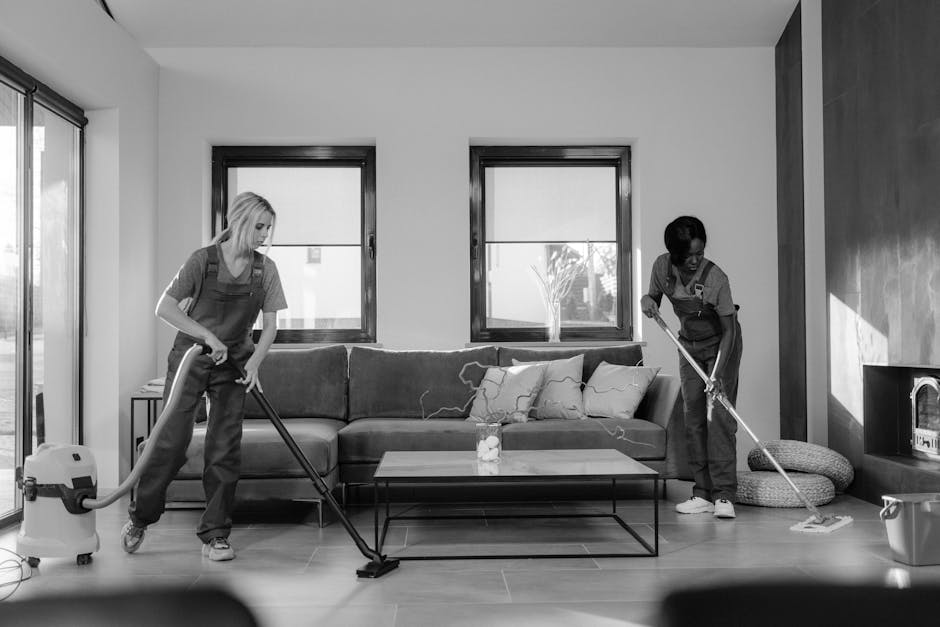
Common pricing mistakes for Catford cleaning services
If you have ever asked for a cleaning quote and thought, "Why is one price so low and another one so high?", you are not alone. Pricing for cleaning work can look simple from the outside, but in practice it is full of small variables that change the final number. For Catford homes, flats, shared buildings, rental properties, and local businesses, the most common pricing mistakes for Catford cleaning services usually come down to guessing too early, skipping the details, or comparing quotes that are not actually comparable.
This guide breaks down where pricing goes wrong, why it matters, and how to make cleaner, calmer decisions before you book. You will see the usual traps, the smartest ways to compare quotes, and the questions worth asking before money changes hands. Truth be told, a good quote should feel clear, not mysterious.
Table of Contents
- Why common pricing mistakes matter
- How cleaning pricing works in practice
- Key benefits of pricing it properly
- Who needs this guidance and when it makes sense
- Step-by-step guidance for getting accurate quotes
- Expert tips for better pricing decisions
- Common mistakes to avoid
- Tools, resources and recommendations
- Law, compliance, standards and best practice
- Options and comparison table
- Case study or real-world example
- Practical checklist
- Conclusion
- Frequently asked questions
Why Common pricing mistakes for Catford cleaning services Matters
Cleaning pricing is not just a numbers game. It affects the quality of the work, how much time the team can realistically spend on the job, and whether you end up with a smooth experience or a stressful one. In Catford, where you will find everything from compact flats near busy transport routes to family homes and commercial spaces, the actual job can vary a lot even when the property type sounds similar.
The biggest issue is simple: a cheap-looking quote can become expensive later. That may happen through add-ons, surprise minimum charges, extra labour for heavy build-up, parking complications, or a scope that was never clearly defined. On the other side, overpricing can happen when the cleaner assumes more work than needed, builds in too much risk, or uses a one-size-fits-all rate for a job that should be more specific.
For customers, the result is often frustration. For cleaners, poor pricing can damage margins, create rushed work, and lead to awkward conversations that nobody enjoys. And yes, awkward conversations are never fun when you are standing in a hallway with a mop bucket and a strong smell of detergent in the air.
That is why getting pricing right matters before the booking is confirmed. A precise quote helps everyone understand the job, the expectations, and the likely outcome.
How Common pricing mistakes for Catford cleaning services Works
Most cleaning quotes are built from a few practical ingredients: property size, condition, type of service, frequency, time required, equipment, materials, access, and any specialist tasks. A regular clean is priced differently from a deep clean. A one-off refresh is not the same as end of tenancy cleaning. A standard domestic visit is different from office cleaning, where timings, footfall, and compliance expectations may shift the job.
In a well-run pricing process, the cleaner asks enough questions to understand what is really needed. That might include:
- how many rooms or areas need attention
- whether the property is lived in or empty
- how much dirt, dust, grease, limescale, or limescale-like build-up is present
- whether there are pets, smokers, or post-refurbishment dust issues
- what equipment or specialist products will be required
- when the job needs doing and how long access is available
Pricing mistakes usually happen when one of those factors is ignored. The quote might be based only on square footage, or only on a quick photo, or only on a vague "two-bed flat" description. That can be fine for a rough estimate, but it is not enough for a reliable final price.
A lot of people assume cleaning pricing should be like buying a fixed product off a shelf. It is not. It is more like ordering a tailored service. The better the briefing, the better the quote.
If you want a clearer starting point, a dedicated pricing and quotes page can help set expectations before you compare options.
Key Benefits and Practical Advantages
Pricing cleaning work accurately brings several real advantages. Some are obvious, others only show up later when a problem has been avoided.
- Fewer surprises: clear quotes reduce add-on fees and awkward renegotiation on the day.
- Better service match: the cleaner can allocate the right time, staff, and tools.
- More realistic budgeting: you know what the job will likely cost before you commit.
- Less rushed work: jobs priced properly are less likely to be cut short.
- Better comparisons: you can compare like-for-like rather than low number versus vague number.
- Improved trust: transparent pricing usually signals a more organised operator.
There is also a subtle but important benefit: a clear price often leads to a calmer customer experience. You are less likely to feel you need to hover around the doorway checking every corner. That matters, especially for tenants arranging a move-out clean, landlords preparing a property, or small businesses that need work done outside working hours.
Expert summary: the best cleaning quote is not always the cheapest one. It is the one that matches the actual job, explains what is included, and leaves little room for avoidable misunderstanding.
Who This Is For and When It Makes Sense
This topic is useful for anyone booking local cleaning in Catford, but some readers will feel the pain more sharply than others.
Homeowners and tenants often need pricing clarity when booking house cleaning, domestic cleaning, or a one-off visit after a busy few weeks. If you are balancing work, school runs, and the usual life admin, you do not want to spend an evening decoding vague quotes.
Landlords, letting agents, and tenants tend to care most about exit cleans, move-in cleans, and turnover timing. For these, pricing mistakes can cause delays or disputes. A flat that looked "fairly tidy" in photos can turn into a much larger job once the cleaner sees the kitchen, bathroom, skirting boards, or oven up close.
Small businesses and offices need a different kind of clarity. With commercial cleaning or office cleaning, the cost should reflect access times, shared facilities, washrooms, desks, and whether the service is recurring or ad hoc.
Short-let hosts often use Airbnb cleaning and care about speed, turnaround, and consistency. A pricing mistake here can affect guest check-in times, which gets messy very quickly. No one wants that last-minute scramble while fresh linen is still in the tumble dryer.
This guidance also makes sense if you are comparing service types such as deep cleaning, regular cleaning, or specialist options like carpet cleaning and window cleaning.
Step-by-Step Guidance
If you want better pricing outcomes, this is the most practical way to go about it.
- Define the job clearly. Write down what you need cleaned, what rooms are involved, and what result you expect. "Kitchen and bathroom" sounds simple, but does that include cupboards, appliance fronts, limescale removal, or just surface wiping?
- Separate standard cleaning from specialist work. Grease-heavy ovens, post-build dust, stained upholstery, and neglected carpets are not the same as routine upkeep. They should be treated differently in the quote.
- Measure scope, not just size. A small flat with heavy grime can take longer than a larger tidy one. This is one of the most common mistakes people make, and it is easy to do.
- Ask what is included. Does the quote cover supplies, transport, equipment, VAT if applicable, parking, or extra time for stubborn areas?
- Check access details. Stair-only access, awkward parking, timed entry windows, or security procedures can all affect labour time.
- Request the pricing basis. Is the job priced hourly, by property type, by room, or by fixed package? There is no perfect model for every situation, but you should know which one is being used.
- Compare on the same scope. If one quote includes inside cupboards, a deep bathroom descale, and oven attention, while another does not, the cheaper one is not really cheaper.
- Confirm what happens if the scope changes. A good provider will explain how additional work is handled before the job starts.
A useful habit: after getting a quote, read it as if you were trying to find loopholes. Not because everyone is trying to trick you, but because vague language has a habit of becoming expensive later.
Expert Tips for Better Results
Here are the little things that improve pricing decisions more than people expect.
Be brutally specific about condition. "Needs a clean" can mean anything. "Light dust and bathroom soap scum" is much more useful. If a cleaner knows the real state of the property, the estimate becomes far more stable.
Use photos carefully. Photos are helpful, but they can flatter or hide the true workload. A gleaming kitchen photo taken in daylight can hide grease behind appliances. Likewise, a dark hallway can make a normal carpet look worse than it is.
Ask about minimum charges. Some cleaning jobs are priced with a minimum booking length or minimum call-out fee. That is not automatically bad; it just needs to be visible.
Be realistic about turnaround time. If you need a same-day clean, late-evening clean, or weekend slot, the rate may reflect the convenience. That is normal in many local service businesses.
Think in terms of value, not just price. A slightly higher quote can be worth it if it includes the right products, enough time, and proper attention to detail. Especially for tricky jobs like oven cleaning, sofa cleaning, or upholstery cleaning.
Check pricing consistency across service types. If a provider quotes very differently for similar jobs, ask why. The answer may be valid. Or it may reveal that the scoping process is not especially tight.
One more thing. If a quote feels rushed, it probably is. You do not need a full dissertation, but you do need enough detail to make a sensible choice.
Common Mistakes to Avoid
This is the heart of the topic. These are the pricing errors that cause the most trouble for Catford customers and cleaners alike.
1. Comparing only the headline number
The biggest trap is choosing the lowest price without checking what is included. A lower number can hide shorter time allocations, fewer tasks, or extra charges later.
2. Ignoring the condition of the property
Condition matters as much as size. A flat that has not been cleaned properly for months may need far more labour than a fresher space of the same dimensions.
3. Treating all cleaning as the same
Routine upkeep, one-off cleaning, deep cleans, and specialist services all have different time demands. If they are priced as if they were identical, the estimate will be off.
4. Forgetting about access costs
Parking, stairs, limited access, and timed entry can all affect the workload. Even ten extra minutes here and there adds up over a day of work.
5. Leaving out specialist tasks
People often forget extras like inside cupboards, skirting boards, extractor hoods, shower descaling, mattress treatment, or appliance interiors. Then the quote changes. Predictably.
6. Not asking how add-ons are priced
If extra work is needed, is it charged hourly, per item, or as a fixed supplement? Knowing this prevents confusion later.
7. Assuming "deep clean" means the same thing everywhere
It does not. Different providers use the term differently, so you need to check the actual task list. That is why clarity matters more than labels.
8. Forgetting seasonal or timing pressure
Last-minute jobs, end-of-month moving dates, and short-let turnovers can all compress the timetable. The quote may reflect that pressure.
9. Skipping the written scope
A verbal agreement can go wrong fast. A short written summary is far safer, even for small jobs.
10. Overlooking service fit
Sometimes the mistake is not the price itself; it is booking the wrong service. For example, a property that needs reset-level work may be better suited to move out cleaning or move in cleaning rather than a lighter visit.
Tools, Resources and Recommendations
You do not need fancy software to price cleaning properly. A few straightforward tools can make the process much easier.
- Room-by-room notes: write down the spaces involved, the condition, and any special requirements.
- Photo set: take clear photos in daylight where possible. A short, honest set is enough.
- Question checklist: keep a standard list of questions for every quote request so nothing gets missed.
- Comparison sheet: compare like with like across scope, timing, inclusions, and exclusions.
- Booking confirmation: keep the agreed scope in writing so there is no confusion on the day.
For practical next steps, the most useful resources on the site are usually the pages that explain service scope and expectations, such as deep cleaning, regular cleaning, and pricing and quotes. If you are comparing specialist work, the relevant service pages can also help you understand what tends to fall inside a standard quote and what does not.
For trust and admin details, it is also sensible to read the company's terms and conditions, payment and security, and insurance and safety pages. Those are not exciting reads, fair enough, but they can save headaches later.
Law, Compliance, Standards and Best Practice
Pricing itself is usually a commercial matter, but in the UK there are still important standards and duties that shape how a cleaning business should operate. The exact details depend on the business model, the location, and the contract type, so this section should be read as general good practice rather than legal advice.
A professional cleaner should be clear about:
- what is included in the service and what is excluded
- how payments are taken and when they are due
- how complaints are handled if something goes wrong
- health and safety expectations for staff and clients
- insurance arrangements where applicable
It is also sensible to be mindful of data handling, especially if you are sharing access notes, photos, or contact details. The company's privacy policy should explain how that information is used.
For businesses, especially offices and shared buildings, the best practice is to keep the quote process transparent and proportionate. A cleaner should not overpromise, underprice, and then rush the work to compensate. That is bad for the client and bad for the team. On the flip side, customers should not expect specialist results from a bargain-basement rate. It rarely ends well.
If a company provides published policies around complaints, accessibility, recycling, or modern slavery, that can be a useful sign that the business takes governance seriously. It does not guarantee perfection, obviously, but it does show a degree of structure. And structure matters.
Options, Methods, or Comparison Table
Different pricing methods suit different jobs. Here is a simple comparison that may help you judge which approach is more appropriate for your situation.
| Pricing method | Best for | Strengths | Watch-outs |
|---|---|---|---|
| Hourly rate | Variable domestic or ad hoc work | Flexible, easy to adjust if scope changes | Can be unpredictable if the job is larger than expected |
| Fixed quote | Defined jobs with clear scope | Clear budgeting and fewer surprises | Needs good information upfront |
| Per room or area | Simple flats or structured home cleans | Quick to understand | May ignore condition and access complexity |
| Package pricing | Repeat customers or bundled services | Convenient and often good value | May include extras you do not need |
For example, a regular weekly clean in a Catford flat might suit package pricing, while a post-tenancy reset is often better on a fixed quote. A carpet job or upholstery job might need a more itemised approach because stain level and fabric condition matter so much.
If you are unsure which method makes sense, ask the provider how they would price a standard clean versus a specialist job. The answer usually tells you a lot about how seriously they think about scope.
Case Study or Real-World Example
Here is a realistic example drawn from a common local scenario.
A Catford tenant books a clean before moving out. They say the flat is "pretty tidy" and want a quick quote. The cleaner gives a fair-looking price based on a two-bedroom property. On arrival, it turns out the kitchen has greasy extractor filters, the oven needs a proper clean, the bathroom has stubborn limescale, and the lounge carpet has pet hair embedded in the fibres. The job now needs longer on site, a different product set, and extra care.
What went wrong? The pricing error happened at the quoting stage. The cleaner was not given enough detail, and the tenant assumed "pretty tidy" was enough. It is a tiny phrase, but it can be a very expensive one.
Now compare that with a better approach. The tenant sends a short checklist, includes photos, mentions the oven and carpets, and says the property has been lived in by a pet owner. The quote is slightly higher, but it is stable. The cleaner arrives prepared, the schedule is realistic, and the final result is much smoother.
That second version is boring in the best possible way. No last-minute wrangling. No "we'll just need to charge a bit more." No panicked phone calls while boxes are still in the hallway.
Practical Checklist
Use this checklist before accepting any cleaning quote in Catford.
- Have I described the property clearly?
- Have I explained the condition honestly?
- Do I know exactly what is included?
- Have I asked about exclusions and extras?
- Do I understand the pricing method being used?
- Have I checked whether specialist tasks are separate?
- Have I confirmed access, parking, and timing?
- Is the quote written down in a clear way?
- Have I compared the same scope across quotes?
- Do I know how payment works and when it is due?
- Have I checked relevant company policies where needed?
If you can tick most of those off, you are already ahead of the average customer. Honestly, that is half the battle.
Conclusion
The most common pricing mistakes for Catford cleaning services are rarely dramatic. They are usually small, ordinary oversights: vague scope, missing details, comparing the wrong things, or assuming every cleaning job should be priced the same way. But those small mistakes can create bigger issues fast.
The good news is that better pricing decisions do not require expertise in contracts or spreadsheets. They require honesty, a bit of organisation, and a willingness to ask a few sensible questions before you book. Once you do that, quotes become much easier to judge, and the whole process feels calmer.
Whether you need a regular domestic visit, a deep reset, a specialist treatment, or a business clean, the same rule applies: clarity first, price second. That simple shift saves time, money, and stress.
Get a free quote today and see how much you can save.
Frequently Asked Questions
What is the most common pricing mistake people make with cleaning services?
The most common mistake is choosing the cheapest quote without checking what is included. A low price can hide shorter cleaning time, missing tasks, or extra charges later.
Why do cleaning quotes vary so much in Catford?
Quotes vary because properties, condition, access, timing, and service type all affect the job. A tidy flat, a post-tenancy property, and an office clean are not priced the same way.
Should I always choose a fixed price over an hourly rate?
Not always. Fixed prices are great when the scope is clear, while hourly pricing can suit flexible or unpredictable jobs. The right method depends on the work.
How do I know if a cleaning quote is fair?
A fair quote should explain what is included, what is excluded, and what happens if extra work is needed. It should also match the size and condition of the job.
Do specialist services cost more than standard cleaning?
Usually, yes. Services such as oven cleaning, carpet cleaning, upholstery cleaning, or end of tenancy cleaning often need extra time, tools, and attention.
Why do some quotes seem cheap at first but end up costing more?
That often happens when important details were missed during the quote stage. Extra fees may appear once the cleaner sees the real condition of the property.
Is it a mistake to book without photos?
Not always, but photos help a lot when the job is variable. They give the cleaner a better sense of condition and help reduce pricing surprises.
What should I ask before accepting a cleaning quote?
Ask what is included, how add-ons are charged, whether supplies are covered, and whether access or parking affects the price. Those questions remove most confusion.
How do regular cleaning prices differ from one-off cleaning?
Regular cleaning is often cheaper per visit because the property is maintained more consistently. One-off cleaning usually needs more work in a shorter period.
Can poor pricing affect the quality of the clean?
Yes. If a job is underpriced, the cleaner may have too little time to do a proper job, or the quote may not cover the real scope of the work.
Do I need to read the terms and conditions before booking?
Yes, especially if the job is more complex. Terms and conditions often explain payment timing, cancellations, complaints, and service scope.
What is the safest way to compare cleaning companies?
Compare identical scopes, not just prices. Make sure each quote covers the same tasks, access assumptions, and service level before deciding.
Is there a best time to request a quote?
As early as possible. Early requests give you time to clarify scope, compare properly, and avoid rushed decisions, especially around moving dates or busy booking periods.
What if I am still unsure after getting two or three quotes?
Go back to the providers and ask them to explain the differences in plain English. A good cleaner will not mind clarifying the price, and that conversation often reveals the best option.
If you want a cleaner, more confident way to compare local services, start with clarity and keep it simple. That is usually where the real saving begins.